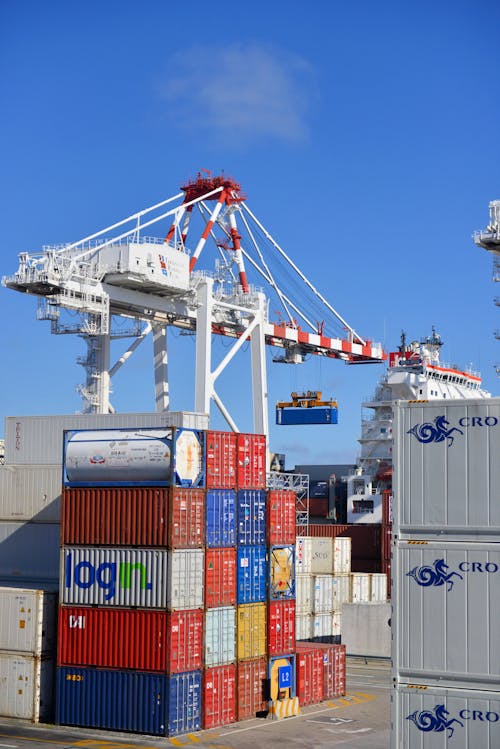
Its top imports are Refined Petroleum ($3.77B), Cars ($1.28B), Packaged Medicaments ($953M), Gold ($668M) and Raw Iron Bars ($396M). The top export destinations of Lebanon are South Africa ($316M), the United Arab Emirates ($265M), Syria ($246M), Saudi Arabia ($239M) and Switzerland ($237M).
The main exported commodities are jewelry, base metals, chemicals, miscellaneous consumer goods, fruit and vegetables, tobacco, construction minerals, electric power machinery and switchgear, textile fibers and paper.
Lebanon has highly negative net exports and therefore deep international trade deficits under the mineral fuels including oil category, notably for refined petroleum oils, petroleum gases and petroleum coke.
Overview. Lebanon relies heavily on energy imports to meet domestic demand. In 2010, the country imported 120,000 barrels per day (bbl/d) of refined oil products, which accounted for over 90% of total primary energy demand in the country. ... In the near-term, Lebanon will continue to be reliant on energy imports.The natural resources of Lebanon are limited and include limestone, iron ore, and salt. The mining sector is small scale and caters mostly to local need
----------------------------------------------------------
Translation in German
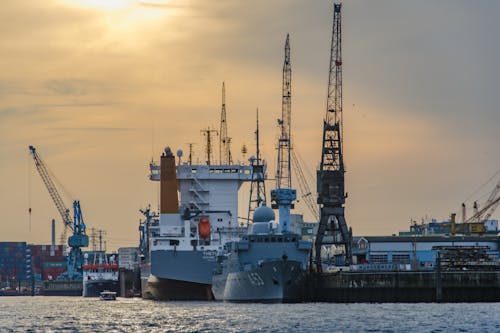
Die wichtigsten Importe sind raffiniertes Erdöl (3,77 Mrd. USD), Autos (1,28 Mrd. USD), verpackte Arzneimittel (953 Mio. USD), Gold (668 Mio. USD) und Roheisenbarren (396 Mio. USD). Die wichtigsten Exportziele des Libanon sind Südafrika (316 Mio. USD), die Vereinigten Arabischen Emirate (265 Mio. USD), Syrien (246 Mio. USD), Saudi-Arabien (239 Mio. USD) und die Schweiz (237 Mio. USD).
Die wichtigsten exportierten Waren sind Schmuck, unedle Metalle, Chemikalien, verschiedene Konsumgüter, Obst und Gemüse, Tabak, Baumineralien, elektrische Maschinen und Schaltanlagen, Textilfasern und Papier.
Lebanon has highly negative net exports and therefore deep international trade deficits under the mineral fuels including oil category, notably for refined petroleum oils, petroleum gases and petroleum coke.
Überblick. Der Libanon ist stark auf Energieimporte angewiesen, um die Inlandsnachfrage zu befriedigen. Im Jahr 2010 importierte das Land 120.000 Barrel raffinierte Ölprodukte pro Tag (bbl / d), was über 90% des gesamten Primärenergiebedarfs des Landes ausmachte. ... Der Libanon wird kurzfristig weiterhin auf Energieimporte angewiesen sein.Die natürlichen Ressourcen des Libanon sind begrenzt und umfassen Kalkstein, Eisenerz und Salz. Der Bergbausektor ist klein und richtet sich hauptsächlich nach den lokalen Bedürfnissen
Comments
Post a Comment
I you have any doubts kindly let me know