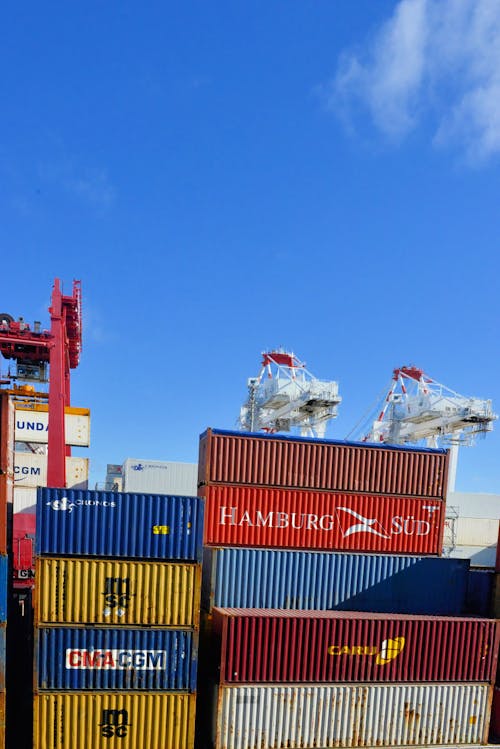
The major exports from India are engineering goods, refined petroleum, gems, jewelry, chemicals, agricultural products and textiles, the major Indian imports were crude petroleum, gold, coal briquettes, diamonds and petroleum gas.
India main imports are: mineral fuels, oils and waxes and bituminous substances (27 percent of total imports); pearls, precious and semi-precious stones and jewelry (14 percent); electrical machinery and equipment (10 percent); nuclear reactors, boilers, machinery and mechanical appliances (8 percent); and organic
According to the Guardian[1], India's biggest export was petroleum, followed by gems and jewelry, pharmaceutical products, transport equipment, machinery and instruments, ready made garments, metals, electronics, rubber/glass and products, cotton, yarn and fabrics.
India main imports are: mineral fuels, oils and waxes and bituminous substances (27 percent of total imports); pearls, precious and semi-precious stones and jewelry (14 percent); electrical machinery and equipment (10 percent); nuclear reactors, boilers, machinery and mechanical appliances (8 percent); and organic
---------------------------------------------------------
Translation in German
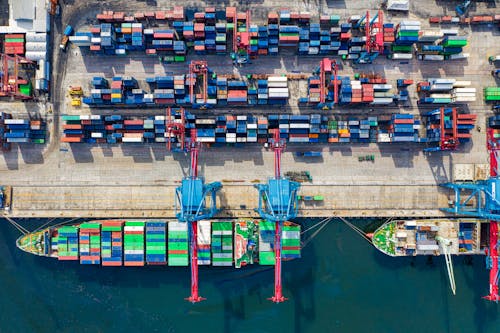
Die Hauptexporte aus Indien sind Maschinenbauprodukte, raffiniertes Erdöl, Edelsteine, Schmuck, Chemikalien, landwirtschaftliche Produkte und Textilien. Die wichtigsten indischen Importe waren Rohöl, Gold, Kohlebriketts, Diamanten und Erdölgas.
Die Hauptexporte aus Indien sind Maschinenbauprodukte, raffiniertes Erdöl, Edelsteine, Schmuck, Chemikalien, landwirtschaftliche Produkte und Textilien. Die wichtigsten indischen Importe waren Rohöl, Gold, Kohlebriketts, Diamanten und Erdölgas.
Laut Guardian [1] war Indiens größter Export Erdöl, gefolgt von Edelsteinen und Schmuck, pharmazeutischen Produkten, Transportmitteln, Maschinen und Instrumenten, Konfektionskleidung, Metallen, Elektronik, Gummi / Glas und Produkten, Baumwolle, Garn und Stoffen.
Indiens Hauptimporte sind: mineralische Brennstoffe, Öle und Wachse sowie bituminöse Substanzen (27 Prozent der Gesamtimporte); Perlen, Edel- und Halbedelsteine sowie Schmuck (14 Prozent); elektrische Maschinen und Geräte (10 Prozent); Kernreaktoren, Kessel, Maschinen und mechanische Geräte (8 Prozent); und organisch
https://commerce-app.gov.in/eidb/
----------------------------------------------------------
Translation in French
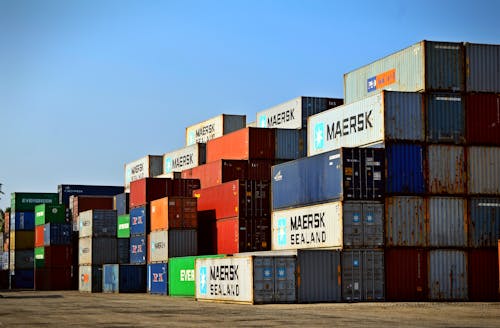
Les principales exportations de l'Inde sont les produits d'ingénierie, le pétrole raffiné, les pierres précieuses, les bijoux, les produits chimiques, les produits agricoles et les textiles, les principales importations indiennes étant le pétrole brut, l'or, les briquettes de charbon, les diamants et le gaz de pétrole.
Les principales exportations de l'Inde sont les produits d'ingénierie, le pétrole raffiné, les pierres précieuses, les bijoux, les produits chimiques, les produits agricoles et les textiles, les principales importations indiennes étant le pétrole brut, l'or, les briquettes de charbon, les diamants et le gaz de pétrole.
Selon le Guardian [1], les exportations les plus importantes de l'Inde étaient le pétrole, suivi des pierres précieuses et des bijoux, des produits pharmaceutiques, du matériel de transport, des machines et des instruments, des vêtements prêts à l'emploi, des métaux, de l'électronique, du caoutchouc / verre et des produits, du coton, des fils et des tissus.
Les principales importations de l'Inde sont: les combustibles minéraux, les huiles et les cires et les substances bitumineuses (27 pour cent des importations totales); perles, pierres précieuses et semi-précieuses et bijoux (14 pour cent); machines et équipements électriques (10%); réacteurs nucléaires, chaudières, machines et appareils mécaniques (8%); et organique
https://commerce-app.gov.in/eidb/
Comments
Post a Comment
I you have any doubts kindly let me know